PROJECT BRIEF
As part of my fourth-semester summative assessment, I explored the decline of intergenerational storytelling and the role of design in preserving it.
Through service design methods and business conceptualisation, I developed Divine Epics—a recordable storybook service that uses modern technology to help families preserve stories and strengthen connections across generations.
Project Type
Service Design & Business Design
Team
Individual
Timeline
2 Weeks
PROJECT AT A GLANCE
(Design Process Followed during the Project)
Understanding Intergenerational Storytelling + Connecting with my personal experience
User Research, Defining Problem Statement & Brainstorming Ideas
The Solution + Business Design
Defining the target audience, doing user research with a sample space of 8, and outlining the user personas of the target audience, value proposition canvas and 11 + brainstorming ideas
Divine Epics — recordable storybooks that become a lifelong trinket for parents, grandparents & children. How will the product work
The Business Mapping: Customer Journey Mapping, Marketing Strategy, Existing Models, Revenue Model, Business Roadmap, Service Blueprint, Business Model Canvas
INTergenerational storytelling
Intergenerational storytelling is the practice of sharing stories, traditions, values, and lived experiences between different generations, typically from older adults (such as grandparents) to younger generations (such as children or grandchildren). Lately, due to change in lifestyle, technological advancements, etc there has been a decline in intergenerational storytelling
Examples of Campaigns around the world to promote intergenerational storytelling:


The Story Behind the Idea
A simple conversation with my grandmother highlighted the power of shared stories and revealed an opportunity to design for stronger intergenerational connections.

When I was six, I moved from the U.S. to India. Ugadi was unlike anything I’d experienced before.
The house was decorated, everyone was busy with rituals, and I had no idea what was happening.
There were so many unfamiliar dishes. I knew it was a special day, but I couldn’t understand why.
Curious, I asked my grandmother, “Why do we celebrate Ugadi?”
She smiled and said, “I’ll tell you tonight.
Right now, let’s finish the pooja.”
The celebrations ended, and night slowly fell.
I went to her room, eager to finally hear the story behind Ugadi.

I switched off the lights, snuggled beside her, and asked, “Nannamma, tell me about Ugadi.”
She began weaving stories of tradition, heritage, and family, bringing the festival to life.
She explained Ugadi Pachadi—a dish with six tastes, each representing a different emotion in life.
The more she shared, the more curious I became. Every tradition seemed to have a story behind it.
She explained that these traditions weren’t just symbolic—they carried wisdom about health, resilience, and life itself.
That night sparked a new tradition. I asked my grandmother to share a new story every day, and she happily agreed.
Takeaway from the Story
This interaction I had during my childhood was the foundation of how I learnt about history, mythology and Indian Culture.
That one conversation showed me how storytelling preserves culture, strengthens relationships, and connects generations—becoming the inspiration for Divine Epics.
TARGET AUDIENCE

Identifying Opportunity Space
Insights that led to Problem Statement - Sample space 8 Children from ages 5 -10
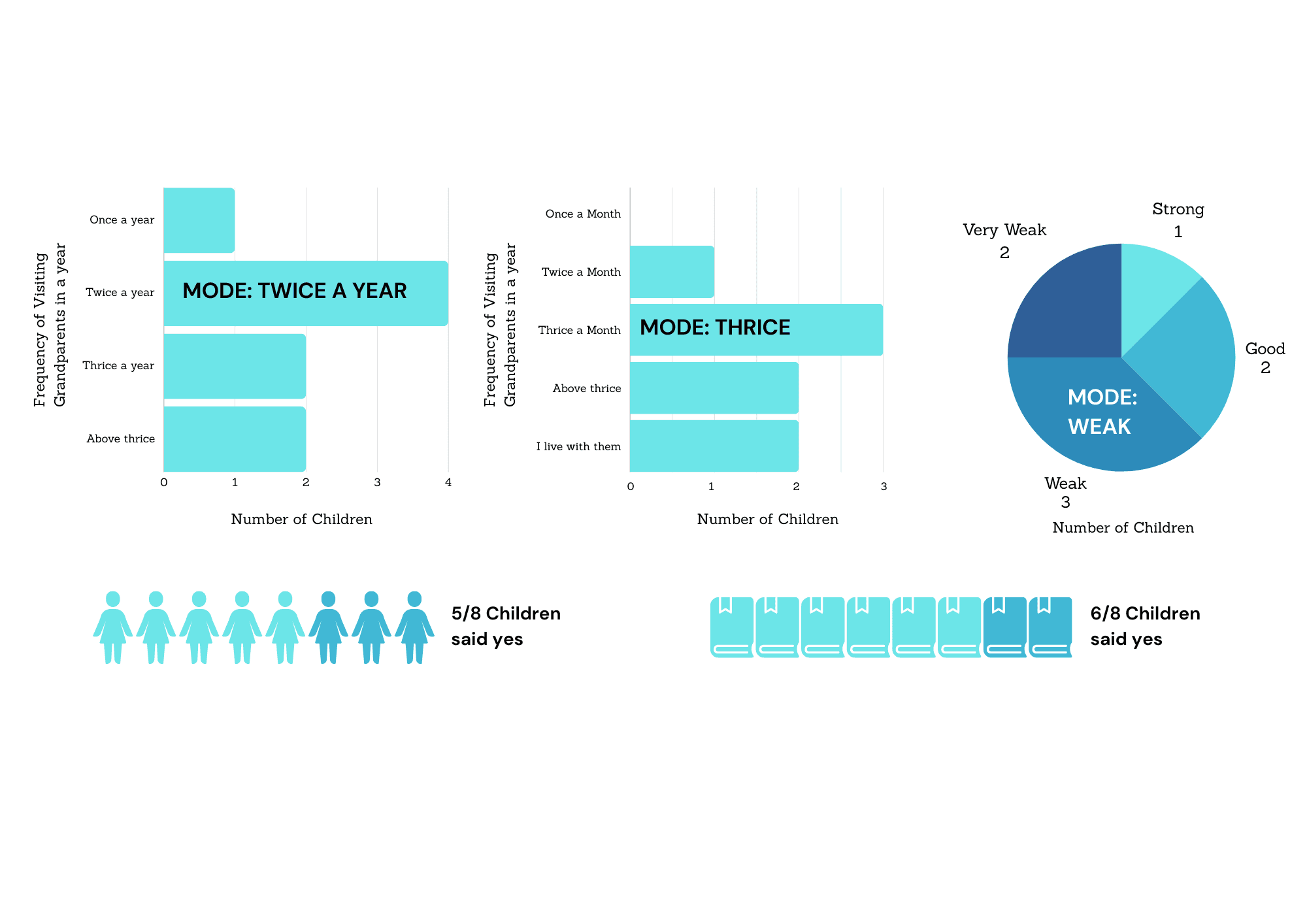
How often do you visit your grandparents?
How often do you call your grandparents?
How strong is your knowledge about Mythologic Stories & our Culture?
Do you miss you grandparents, and wish to talk to them more?
Would you like to learn about these Epics?
What the Data Revealed?
There is a growing disconnect between generations, leading to a loss of cultural knowledge. Traditional storytelling methods are fading in the digital age, creating an opportunity to leverage technology for preserving cultural heritage.
DEFINING PROBLEM STATEMENT
How might we?
foster and strengthen intergenerational connection through the storytelling of Mythological Epics and Cultural Traditions
USER PERSONAS


VALUE PROPOSITION CANVAS

IDEATION THROUGH BRAINSTORMING

(Selected Idea)
Interactive Voice Recorded Storybooks
Other Ideas


Discussion Platform about Mythology
Interactive Storytelling Nights
Immersive World for Mythology
Cultural Fairs During Festivals



VR Tours of Mythological Worlds
Workshops connecting Generations
Mythology Trivia Board Game
Podcast Series
SWOT ANALYSIS OF RECORDABLE STORYBOOKS

THE SOLUTION
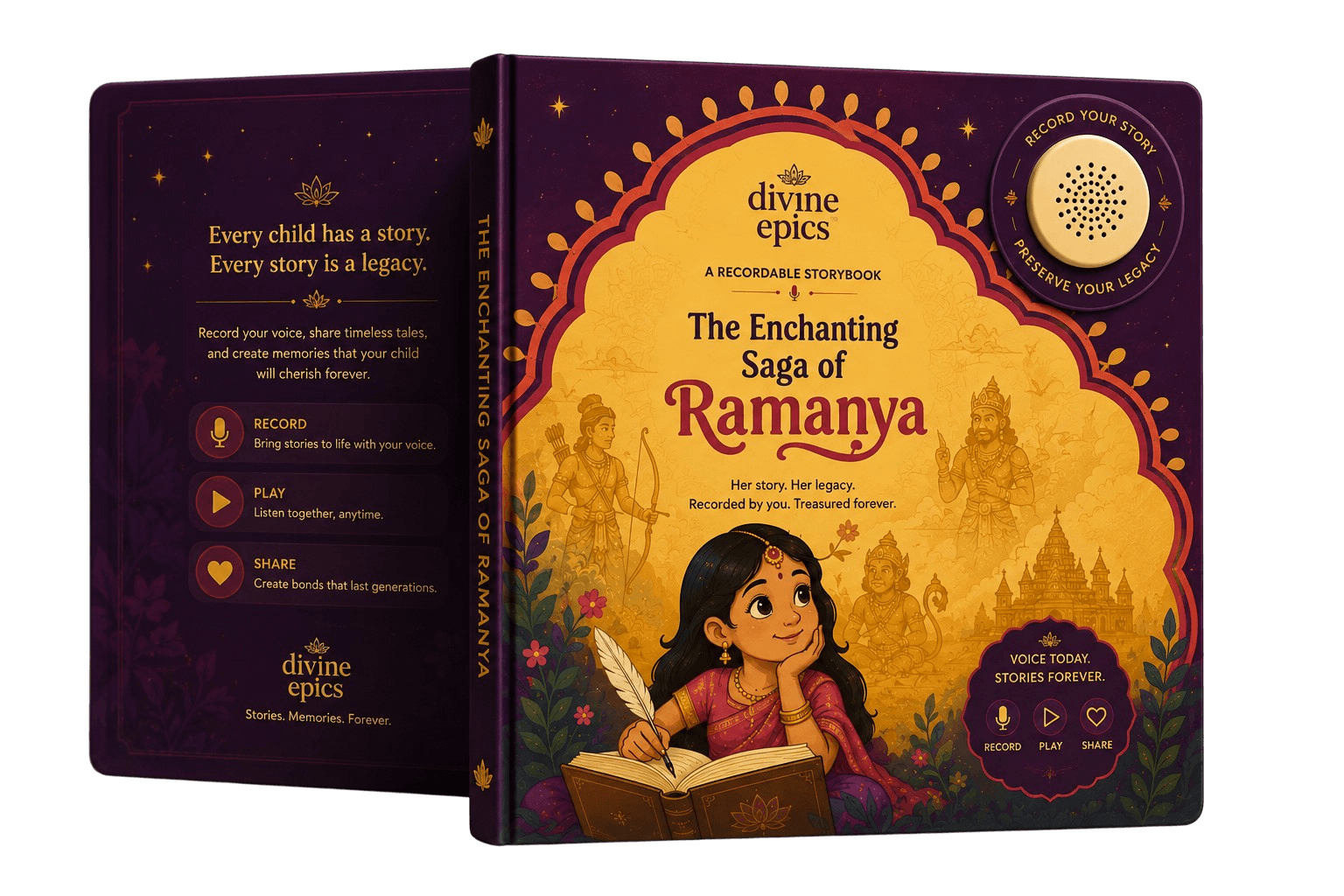
Divine Epics is a collection of recordable, text-free storybooks inspired by Indian mythology and epics, designed to foster intergenerational storytelling. Elders narrate each story in their own words, transforming every book into a personalised keepsake that preserves family voices, cultural traditions, and unique interpretations for future generations.
Product views

Interior View of the Product:
Features of the Product:
3 interactive buttons: Record, Stop, Play/Pause
Voice Recording
High Quality Illustrations
Customizable Storybooks
HOW IT WORKS
Since the target audience is children and grandparents, the interactive buttons need to be easy to use

Customer Journey mapping

MARKETING STRATEGY

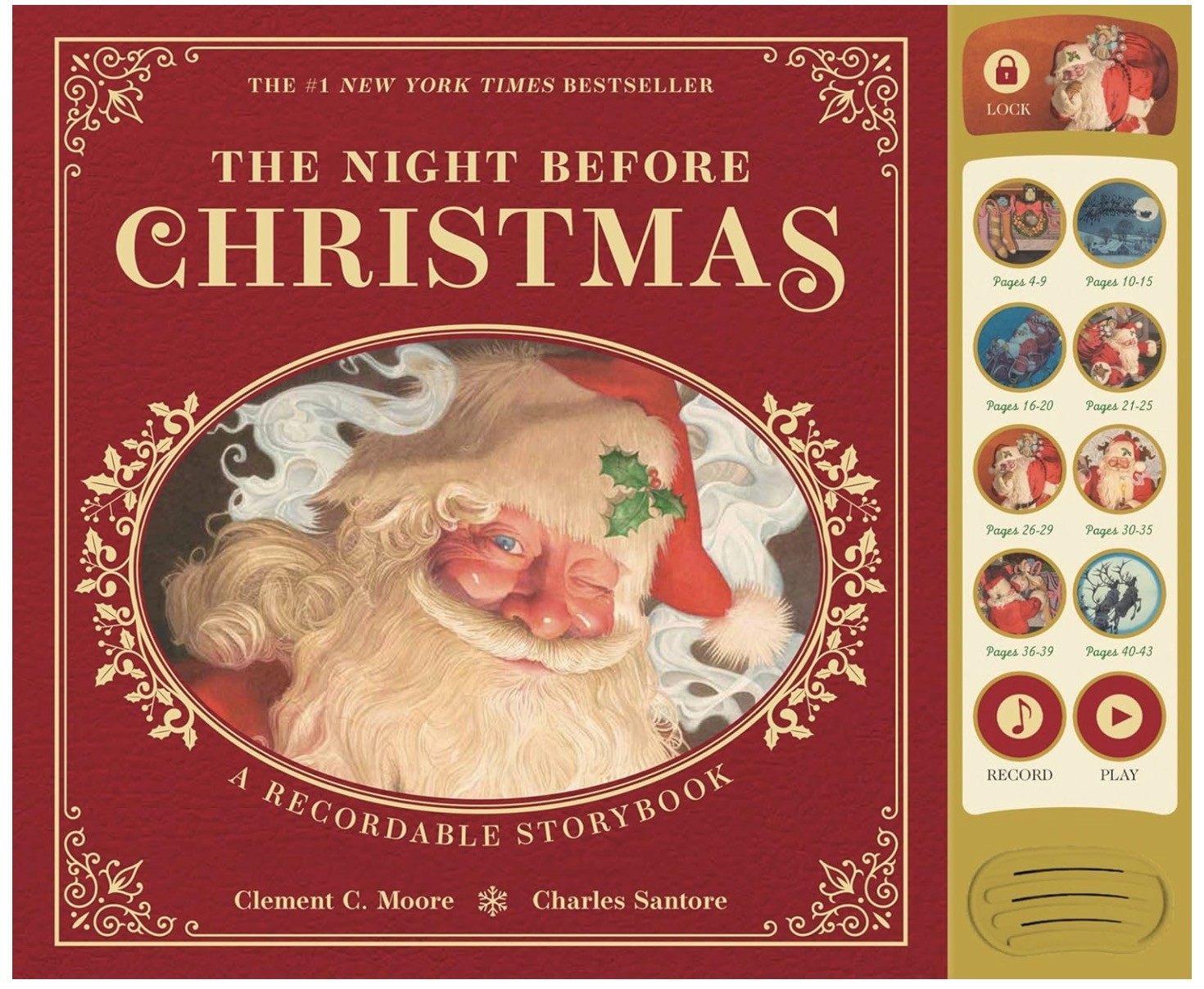
EXISTING Interventions in the market


revenue model

THE BUSINESS ROADMAP

SERVICE BLUEPRINT
(HOVER TO HAVE A CLOSER LOOK)

BUSINESS MODEL CANVAS for DIVINE epics

WHAT I LEARNT AS A DESIGNER

This was a time-sensitive project that pushed me to think critically and develop a viable service concept within a limited timeframe. Drawing from my childhood experience helped uncover key accessibility and usability challenges for the target users.
Learned to balance emotional value with business viability, ensuring the concept was both meaningful and feasible
What would I do differently now?:
Validate with target users through prototype testing
Consider Religious Beliefs and certain afflictions that may arise